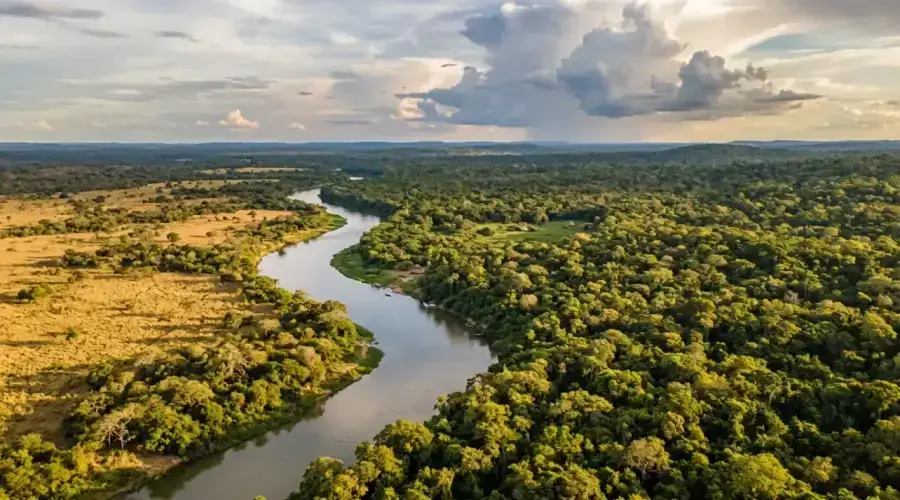

Paraguay is not a country you travel through like a classic tourist destination. Infrastructure is limited, English is almost absent, and local customs often surprise first-time visitors. I have organized this guide around the topics that generate the most questions from travelers: how to get around without stress, which traps to avoid, how to stay healthy and fully enjoy your stay without breaking the bank. Each section links to a dedicated page for deeper information, and the content is backed by France Diplomatie, the WHO, the CDC, SENATUR, and traveler testimonials.
The 4 essential topics to master on the ground
What to remember before leaving
- •The bus is king of transport: the intercity network covers almost the entire country at very low prices (1-2 EUR per 100 km)
- •The most frequent scams are street money exchange, taxis without a meter, and fake police checks: all are easily spotted when you know what to look for
- •Tap water should be avoided outside Asunción; dengue circulates in the wet season (December-March) and the mosquito is active during the day
- •Guaraní and US dollars coexist: always carry small coins and bills in guaraníes for everyday purchases and transport
- 11. Means of Transport: long-distance buses, urban transport, domestic flights, car rental, border crossings.
- 22. Scams to Avoid: the most common traps and how to spot them before they cost you.
- 33. Hygiene and Health: real health risks, water, food, pharmacies, and emergency numbers.
- 44. Airport Arrival: official taxi, currency exchange, wifi, the first hours at Silvio Pettirossi.
- 55. Connectivity: Tigo, Personal, Claro, activating a SIM and network coverage by region.
- 66. Crossing Borders: Argentina, Brazil, Bolivia, the crossings and procedures.
- 77. Solo Female Traveler: the real risk level and concrete precautions.
- 88. LGBT+: rights, social reality and precautions for a worry-free stay.
- 99. Cannabis and Drugs: what Paraguayan law really says.
My advice for the first few days: take the time to observe before acting. Paraguay is in no hurry, and the best way to avoid traps is to refuse any transaction that puts you under pressure. Sit on a terrace, order a tereré, watch how the locals do things. It is the best introduction to the country.
Getting Around Paraguay: Bus, Plane or Car
The long-distance bus network is the main mode of intercity transport. Companies like Nuestra Señora de la Asunción, La Santaniana or Halcón Viajes cover the major cities and most mid-sized towns. Buses have air conditioning, are comfortable, and very affordable: expect between 10 and 20 EUR for a 5-6 hour journey like Asunción-Encarnación. Tickets are purchased directly at terminal ticket offices or online on the companies' websites. For short trips within the city, the urban bus costs about 3,000 Gs (0.35 EUR) in Asunción. Taxis do not have meters: negotiate the price before getting in or use a ride-hailing app like Uber or Bolt, which are starting to become available in the capital.
Domestic flights connect Asunción with some destinations like Ciudad del Este, Encarnación or Mariscal Estigarribia in the Chaco, with companies like Paranair or LATAM Paraguay. But flights are expensive (100-150 EUR one-way) and schedules can change. Car rental, available with international agencies (Hertz, Localiza) in Asunción and at the airport, remains the best option for exploring the Chaco or the Jesuit missions at your own pace. See the Means of Transport page for full details, including border crossings to Argentina and Brazil.
Budget, Currency Exchange and Everyday Money
Paraguay is the cheapest country in South America for a traveler. In 2025-2026, expect 30-50 EUR per day per person all inclusive: accommodation, meals, local transport and activities. A tighter budget of 20 EUR/day is possible with hostel dormitories and street food. The guaraní (PYG) is the local currency. In August 2026, 1 EUR is worth approximately 6,880 Gs. US dollars are accepted in hotels, travel agencies and for large purchases, but not for everyday transactions. Avoid changing money on the street: exchange scams are the number one source of problems reported by travelers. Prefer official exchange offices (cambios) in the city, which offer better rates than the airport.
ATMs are plentiful in major cities and accept Visa and Mastercard. However, withdrawals are usually limited to 1,000,000-2,000,000 Gs (115-230 EUR) per transaction, with fees of 10,000-30,000 Gs (1-3 EUR) per withdrawal. Plan to withdraw the maximum allowed at once to limit fees. Outside major cities, ATMs are scarce and sometimes out of service: make sure you have enough cash before leaving Asunción. See the details on the Currency Exchange page.
Health, Hygiene and First Reflexes
The main health risk in Paraguay is dengue, transmitted by the Aedes aegypti mosquito which bites during the day, especially in the wet season (December-March). Health authorities regularly report seasonal epidemics. Protect yourself with a repellent containing DEET, wear long clothing in risk areas, and sleep under a mosquito net if staying in a rural area. Zika and chikungunya also circulate, with the same precautions. Check the CDC and WHO travel advisories for Paraguay before leaving.
Tap water is considered drinkable in Asunción, but many travelers prefer bottled water as a precaution. Outside major cities and in the Chaco, never drink tap water. A filtering water bottle or purification tablets are recommended, especially if traveling to remote areas. Avoid ice in street markets and wash fruits and vegetables with purified water. See the Hygiene and Health page for a list of emergency numbers, recommended hospitals in Asunción, and a basic first-aid kit to bring.
Safety: What You Really Need to Know
Paraguay is not a dangerous country for tourists, but some common-sense precautions are in order. Minor theft in markets and bus terminals exists, as in any large South American city. The border areas, particularly Ciudad del Este and the triple frontier region, are subject to vigilance recommendations from France Diplomatie due to cross-border crime. Avoid walking alone at night in isolated neighborhoods of Asunción, do not flaunt valuables, and always keep a copy of your identity documents separate from the originals.
In case of trouble, the reflex is to contact in this order: your accommodation (which knows local procedures), your country's embassy or consulate for serious administrative matters (lost passport, legal issues), and the local police to file a report. Emergency numbers are 911 for police and 141 for SAMU. See the Scams to Avoid page for details on the most common traps and the procedure to follow if you become a victim.
Last updated:
Sources
- France Diplomatie: Conseils aux voyageurs Paraguay (2025)
- U.S. Department of State: Paraguay Travel Advisory (2025)
- WHO: Paraguay Country Health Profile (2024)
- CDC: Travel Health Notices Paraguay (2025)
- SENATUR: Información Turística Paraguay (2025)
- Budget Your Trip: Paraguay Travel Costs (2024)
- OSAC (Overseas Security Advisory Council): Paraguay Country Security Report (2025)
My method
This page is written from France, sourced as carefully as possible, but I can be wrong or miss on-the-ground detail. A price that changed, outdated info, a photo to share? Every correction is credited if you want.
Report an error or send info →Share