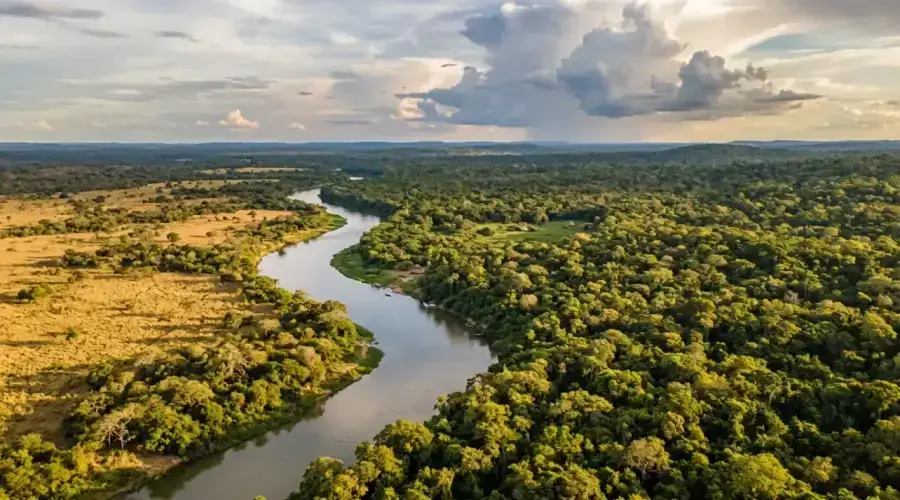

Health in Paraguay is easily managed with a few simple precautions: the country does not require any mandatory vaccinations for entry, but some health risks deserve real vigilance, particularly mosquito-borne diseases in the wet season. This guide cross-references recommendations from the WHO, the U.S. CDC, Santé Publique France, and the Pasteur Institute, each of which publishes regularly updated country fact sheets for travelers.
Main Health Risks
What to remember
- •Paraguay does not require any mandatory vaccination for entry, but dengue circulates in the wet season (December to March) and prevention relies on mosquito repellent
- •Tap water should be avoided outside major cities. Prefer sealed bottled water or a filtering water bottle
- •Medical care is adequate in Asunción but very limited once you leave the capital, hence the importance of insurance with medical repatriation
- •Heat is the most immediate day-to-day risk: hydration, hat, sunscreen, and avoiding the hottest hours
Traveling to Paraguay does not present major health risks for a healthy traveler, but some common-sense precautions prevent setbacks that could ruin a stay. The following recommendations cross-reference country fact sheets from the WHO, the U.S. CDC, Santé Publique France, and the Pasteur Institute. These organizations regularly update their advice.
| What to watch for by season and region | |
|---|---|
| Dengue | Transmitted by the Aedes mosquito, circulates mainly in the wet season (December-March) in urban and peri-urban areas. No routine vaccine for short stays: prevention relies on repellent and covering clothing |
| Chikungunya and Zika | Also transmitted by the same mosquito, present more sporadically but documented. Fever and joint pain like dengue |
| Yellow Fever | Vaccine recommended for rural areas and the Chaco, not mandatory for entry. May be required when entering a third country visited afterward |
| Traveler's Diarrhea | The most frequent risk, linked to untreated water and questionable ice. Prevented by good hand hygiene |
| Hepatitis A and Typhoid Fever | Vaccines recommended by Santé Publique France for extended stays or rustic conditions |
Water and Food
Tap water is treated in Asunción but many travelers prefer bottled water as a precaution. Outside major cities, France Diplomatie recommends avoiding tap water and preferring sealed bottled water, checking that the cap is intact before purchasing. Some vendors refill empty bottles with tap water.
For travelers going to rural areas or the Chaco, a filtering water bottle (LifeStraw or equivalent) is a useful investment. In the city, bottled water is available everywhere for pennies.
- 1Prefer sealed bottled water, check that the cap is intact before buying
- 2Avoid ice outside recognized establishments, often made with untreated water
- 3Peel fruits yourself rather than buying pre-cut fruit on the street
- 4Prefer cooked foods served hot at market food stalls
- 5Wash your hands before every meal, or use hand sanitizer
Recommended Vaccinations Before Departure
| Vaccinations recommended by WHO and Santé Publique France | ||
|---|---|---|
| Hepatitis A | Recommended for all travelers | 2 injections 6 months apart, protection from the 1st injection |
| Typhoid Fever | Recommended for extended stays or rustic conditions | 1 injection or 3 capsules depending on the vaccine, protection 2-3 years |
| Yellow Fever | Recommended for rural areas and the Chaco | 1 lifetime injection, required by some neighboring countries |
| DTP (Diphtheria, Tetanus, Polio) | Up to date for all travelers | Booster every 10 years |
| MMR (Measles, Mumps, Rubella) | Up to date for all travelers | 2 injections in childhood |
No vaccinations are mandatory to enter Paraguay as a tourist from France, Belgium, Switzerland or Canada. Santé Publique France advises being up to date with routine vaccinations and recommends hepatitis A and typhoid fever depending on your itinerary. Consult an international vaccination center 4 to 6 weeks before departure.
- 1Consult an international vaccination center (Pasteur Institute, vaccination center) 4 to 6 weeks before departure
- 2Bring enough of your personal medication for the entire stay with a one-week margin
- 3Prepare a basic first-aid kit: anti-diarrheal, antihistamine, disinfectant, bandages, water purification tablets
- 4Pharmacies are plentiful in Asunción but very limited in rural areas and almost non-existent in the deep Chaco
Hospitals and Emergency Numbers
Medical care is of adequate quality in Asunción. Hospital de Clínicas, Sanatorio Migone, and Hospital Sírio Libanês are the main private facilities. As soon as you leave the capital, options decrease. In the Chaco, dispensaries handle routine care but any serious emergency requires evacuation to Asunción. Choosing insurance with medical repatriation is therefore essential.
| Main hospitals and clinics in Asunción | |||
|---|---|---|---|
| Hospital de Clínicas | San Lorenzo | University hospital, general emergency | +595 21 421 231 |
| Sanatorio Migone | Downtown Asunción | Private clinic, 24h emergency, surgery | +595 21 232 000 |
| Hospital Sírio Libanês | Asunción | Private hospital, intensive care, imaging | +595 21 214 000 |
| Hospital Ingavi | Asunción | Military hospital, open to civilian emergencies | +595 21 376 000 |
Heat, Sun and Climate
Paraguay's subtropical climate exposes you to a real risk of heatstroke and dehydration, especially in summer (December-February). Temperatures regularly exceed 35 °C in Asunción with 70-80% humidity, and can reach 45 °C in the Chaco. This heavy heat imposes a different rhythm: Paraguayans take a siesta during the hottest hours.
Some simple reflexes: drink water regularly even if you are not thirsty (tereré, a cold yerba mate infusion, is an excellent hydrator), wear a wide-brimmed hat, apply SPF 50 sunscreen, and avoid physical exertion between 11am and 4pm. Heatstroke comes quickly in this climate when you are not accustomed. See the Packing Your Bag page for recommended clothing.
Last updated:
Sources
- WHO: Paraguay Country Health Profile (2024)
- CDC: Travel Health Notices Paraguay (2025)
- France Diplomatie: Conseils aux voyageurs Paraguay (2025)
- Institut Pasteur: Centre de vaccinations internationales (2025)
- Ameli.fr: Soins reçus à l'étranger, remboursement (2025)
- Santé Publique France: Recommandations sanitaires pour les voyageurs (2025)
- U.S. Department of State: Paraguay Travel Advisory (2025)
My method
This page is written from France, sourced as carefully as possible, but I can be wrong or miss on-the-ground detail. A price that changed, outdated info, a photo to share? Every correction is credited if you want.
Report an error or send info →Share