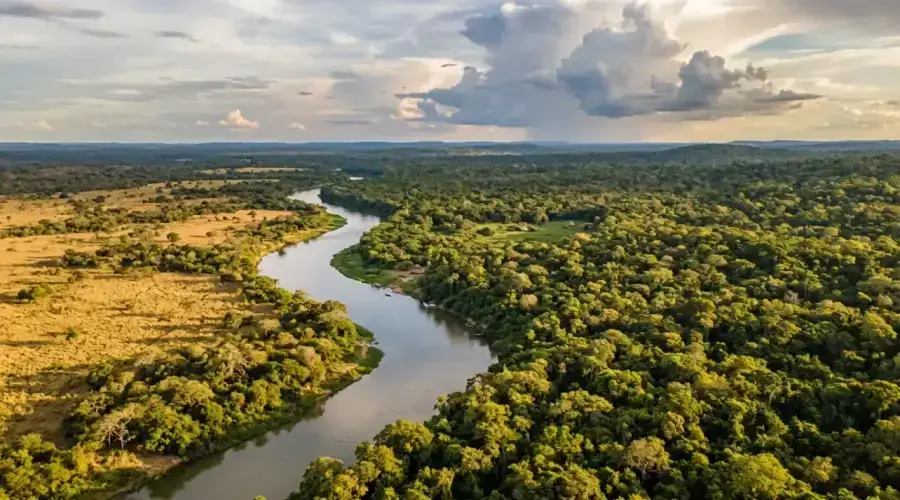

San Bernardino, which everyone simply calls "San Ber," is the most famous lakeside resort in Paraguay. Located on the northeastern shore of Lake Ypacaraí, about 50 kilometers from Asunción, it was founded in 1881 by German colonists of the Paraguay Colonization Society, led by Baron Wilhelm von Forster. What strikes you upon arrival is the atmosphere so different from the rest of the country: the streets bear German names, the architecture blends Bavarian chalets and colonial villas, and beer flows freely during the local Oktoberfest. In summer, from December to February, San Ber's population multiplies tenfold: Asunceños flee the heat of the capital for its beaches, resorts, and lively nightlife. I have spent weekends observing this fascinating contrast between Germanic heritage and tropical ambiance. The city offers two diametrically opposite faces depending on the season: a lively resort in summer and a peaceful lakeside town the rest of the year, making it a destination that suits all travel styles.
At a glance
San Bernardino at a glance
- •Busiest lakeside resort in Paraguay, on Lake Ypacaraí
- •Founded in 1881 by German colonists led by Baron von Forster
- •Developed beaches, beach clubs, water sports
- •Lively nightlife in summer (December to February)
- •Germanic and colonial architecture mixed together
- •Local Oktoberfest in October, music festivals in summer
History of German colonization
The story of San Bernardino begins in 1881, when the Paraguay Colonization Society, a German company led by Baron Wilhelm von Forster, bought land on the northeastern shore of Lake Ypacaraí. The goal was to settle German immigrants fleeing the economic misery and political restrictions of Bismarck's German Empire. The colony was named San Bernardino in honor of Bernard of Clairvaux, patron saint of one of the founders. The first colonists arrived in 1882 and built houses of Germanic style, with sloping roofs and half-timbered frames, contrasting with the Spanish colonial architecture of the rest of the country.
During the first decades, the colony developed thanks to agriculture and trade with Asunción, located a few hours away by horse. At the beginning of the 20th century, San Bernardino began to attract wealthy families from Asunción, who built summer villas on the shores of the lake. This dual heritage : German through its founders, Paraguayan through its development : gives San Ber its distinctive character. Today, the German community is still present but a minority: the city has become a symbol of Paraguayan resort culture, where German street names coexist with signs in Guaraní.
Beaches and water activities
The beaches of San Bernardino are the main attraction. San Bernardino Beach is the most central, with its calm waters, fine sand (partially imported), and private beach clubs that rent loungers and umbrellas. Kayaking, stand-up paddle, paddle boats, and jet skis are available. On weekends, sightseeing boats offer tours of Lake Ypacaraí with a stop in Areguá on the opposite shore. Water sports are the main activity from November to March, when the water temperature exceeds 25 °C.
Several private clubs line the beach: Club Náutico, Yacht Club, and San Bernardino Resort. They are accessible to non-members by paying an entrance fee or consuming on site. Facilities include swimming pools, restaurants, volleyball courts, and private docks. The public beach, free of charge, is busier and livelier, with street vendors selling chipa, empanadas, and iced tereré.
| Beaches and clubs | |
|---|---|
| Municipal Beach | Public, free, lively, ideal for families |
| Club Náutico | Private, pool, dock, restaurant, entrance fee |
| San Bernardino Resort | Hotel-club, private beach, water sports |
| Playa Altos | Quieter, 5 km away, natural beach, fewer people |
Nightlife and gastronomy
In summer, San Bernardino becomes the capital of Paraguayan nightlife. Open-air nightclubs (especially the legendary Oasis nightclub) attract the youth of Asunción and neighboring cities. Parties start late, around 11 pm, and last until dawn. Restaurants are concentrated along the main avenue and the lakefront, offering Paraguayan, international, and of course German cuisine: sauerkraut and sausages are on the menu of several establishments.
- 1Oasis: legendary open-air nightclub, especially on weekends
- 2German Biergarten: draft beer, live music, Germanic atmosphere
- 3Costanera restaurants: Paraguayan and international cuisine facing the lake
- 4San Ber Fair: night market for handicrafts and food in summer
- 5Oktoberfest San Ber: local version of the beer festival in October
Altos and the surroundings
About 8 kilometers north of San Bernardino, the village of Altos is worth a detour. Perched at 180 meters altitude, it offers a panoramic view over Lake Ypacaraí and the Cordillera. Quieter than San Ber, Altos has preserved its colonial village charm, with its 19th-century church and sloping streets. There you will find some gourmet restaurants and guesthouses, perfect for those seeking tranquility after the buzz of San Bernardino.
The road between San Bernardino and Altos, climbing through the hills of the Cordillera, is one of the most scenic in Central Paraguay. It crosses yerba mate plantations and citrus orchards, with regular views of the lake. I recommend taking it in the late afternoon to enjoy the sunset light over Lake Ypacaraí. If you have time, continue to Laguna Blanca, a clear-water lagoon surrounded by forest, located 30 km north of Altos.
Activities and discoveries around San Ber
Beyond the beach and nightlife, San Bernardino is a good starting point to explore the surroundings. Lake Ypacaraí offers sport fishing possibilities: you can catch surubí, dorado, and pacú, freshwater fish prized by local and international anglers. Boat excursions are organized from the port of San Ber, with options ranging from a simple one-hour ride to full-day trips with stops at isolated beaches on the southern shore.
- 1Sport fishing: surubí, dorado, pacú, guide and equipment available
- 2Boat excursions on the lake: 1 h to full day, possible stop in Areguá
- 3Hiking in the hills of the Cordillera, access via Altos
- 4Areguá handicraft market accessible by boat or car (15 km by road)
- 5Water bird watching: herons, cormorants, jabirus, wild ducks
When to come and practical tips
| Useful information | |
|---|---|
| High season | December to February (hot, lively, expensive). Book in advance. |
| Low season | March to November (quiet, cheaper, cooler temperatures) |
| Oktoberfest | October, local beer festival |
| Access | 50 km from Asunción, paved road, 1 hour by car |
| Bus | Regular lines from Asunción terminal (every 30 minutes) |
San Bernardino is easily accessible from Asunción by car or bus. The journey takes about one hour. In high season, traffic on the access road can be heavy on weekends. I recommend going during the week or outside peak season if you are looking for tranquility. Lake Ypacaraí has water quality issues: check on swimming conditions before diving in, especially after heavy rains.
Last updated:
Sources
My method
This page is written from France, sourced as carefully as possible, but I can be wrong or miss on-the-ground detail. A price that changed, outdated info, a photo to share? Every correction is credited if you want.
Report an error or send info →Share