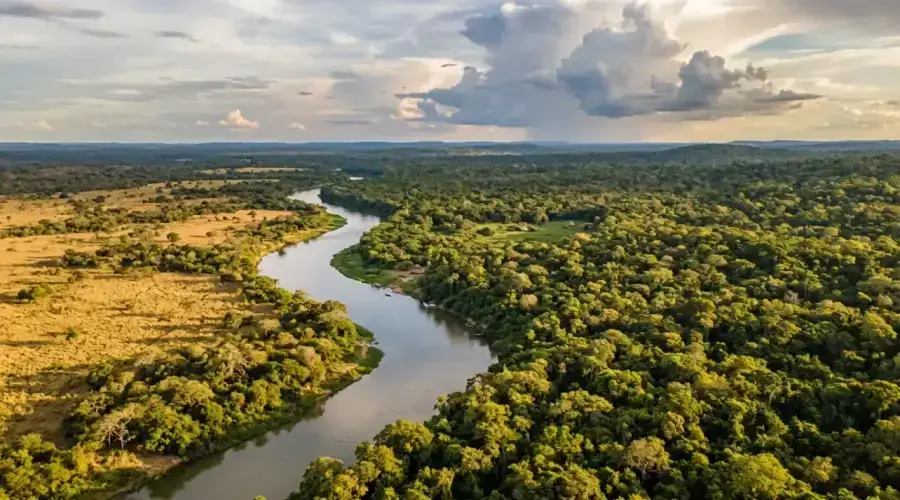

Areguá is, for me, one of the most endearing cities in Central Paraguay. Perched on a hill overlooking Lake Ypacaraí, this small city of fewer than 70,000 inhabitants combines several distinctions: national capital of ceramics, second-largest strawberry producer in the country, and guardian of an architectural heritage that blends a neoclassical basilica, cobblestone streets, and old 19th-century mansions. The potters of Areguá have worked the lake's clay for generations, and the famous "Calle del Barro" (Clay Street) lines up workshops and shops where you can watch the artisans in action. Every year in September, the Strawberry Festival attracts thousands of visitors. With San Bernardino on the other side of the lake, Areguá forms the beach-and-culture duo of the Cordillera department, but has preserved an authenticity that San Ber has partly lost. The city offers a rare balance between cultural life, living craftsmanship, and natural surroundings, making it one of my favorite destinations for a day trip from the capital or a quiet weekend by the lake.
At a glance
Areguá at a glance
- •National capital of ceramics, clay workshops open to visitors
- •Second-largest strawberry producer in Paraguay, Strawberry Festival in September
- •Neoclassical Basilica of Nuestra Señora del Rosario (19th century)
- •Located on the shores of Lake Ypacaraí, exceptional view over the lake
- •Cerro Kôi, sacred hill with panorama over the entire lake
- •35 km from Asunción, accessible in one hour by car
The city of potters
Areguá is inseparable from its ceramics. The tradition dates back to the 19th century, when local families began to exploit the white clay from the shores of Lake Ypacaraí to make utilitarian pottery: water jugs, pots for sopa paraguaya, pitchers for tereré. Calle del Barro (Clay Street), located in the historic neighborhood, is the epicenter of this tradition: a cobblestone street lined with workshops where potters mold, throw, and fire clay before the eyes of visitors.
Each workshop has its specialty. Some work with coarse stoneware for storage jugs, others with fine clay for decorative figurines, and others reproduce traditional Guaraní motifs. Prices are very affordable: expect 10,000 to 50,000 Gs (1 to 6 €) for a handmade piece. I recommend taking the time to talk with the artisans, who are proud to show their work and happily explain the stages of production, from modeling to glazing and firing in traditional wood-fired kilns.
The Strawberry Festival and strawberry production
Every year in September, Areguá celebrates the Strawberry Festival, an event that attracts thousands of visitors who come to taste local strawberries in all their forms: fresh, in jam, in juice, in ice cream, in cake. The festival includes a large producer market, baking contests, musical entertainment, and children's activities. It is the occasion to discover that the Areguá and Cordillera region is the second-largest strawberry-producing area in Paraguay, after the Itapúa department.
The Areguá strawberry is known for its particularly sweet flavor, due to the microclimate of Lake Ypacaraí and the clay soils of the region. Local producers mainly grow the Camarosa and Festival varieties, adapted to subtropical conditions. The strawberry season generally runs from June to November, with a peak in August-September. Even outside the festival, fresh strawberries can be found at the municipal market and along the road leading to the city.
The basilica and historic center
The Basilica of Nuestra Señora del Rosario dominates the central square of Areguá. Built in the 19th century in a sober neoclassical style, it is distinguished by its triangular pediment and two symmetrical bell towers. The interior houses a statue of the Virgin of the Rosary, patron saint of the city, as well as 19th-century religious mural paintings. The streets around the square preserve low houses with columnades typical of late Paraguayan colonial architecture, with their clay tile roofs and large shuttered windows.
The historic center of Areguá can be explored on foot in an hour. Besides the basilica, you can visit the City Museum, housed in an old 19th-century mansion, which tells the story of the city and its pottery tradition. The alleys that go down toward the lake offer magnificent views, especially at sunset when the light gilds Lake Ypacaraí. Calle de los Suspiros (Street of Sighs), narrow and cobblestoned, is one of the most photographed in the city.
- 1Basilica of Nuestra Señora del Rosario: neoclassical, 19th century
- 2City Museum: history and traditions of Areguá
- 3Calle de los Suspiros: picturesque cobblestone street
- 4Central square: centuries-old trees, village atmosphere
- 5Municipal market: local products, strawberries, ceramics
Cerro Kôi and nature activities
Cerro Kôi is a hill that overlooks Areguá and offers the most beautiful panorama of Lake Ypacaraí. The summit, accessible by a trail of approximately 20 minutes from the city center, rises about 200 meters above the lake level. From up there, you can see the entire Ypacaraí basin, with San Bernardino on the opposite shore and the hills of the Cordillera in the background. The name Kôi comes from Guaraní and simply means "hill."
The shores of Lake Ypacaraí, at the foot of Areguá, are ideal for walks and picnics. You can rent kayaks and paddle boats, especially on weekends when Asunción families come to enjoy the coolness of the lake. The municipal beach (playa municipal) is the busiest. I recommend combining a visit to Areguá with a discovery of the lake, taking the road that borders the southern shore to San Bernardino.
Gastronomy and local products
Beyond strawberries, Areguá is a rich agricultural area. The city's markets overflow with tropical fruits and vegetables: mangoes, papayas, avocados, guavas, pineapples. Queso Paraguay, made on dairy farms in the surrounding area, is an essential ingredient of local cuisine. Areguá's restaurants offer good quality traditional Paraguayan food: sopa paraguaya, chipa guasu, vori vori, asado. Some tables set up on terraces overlooking the lake offer one of the best dining experiences in the region.
I especially recommend trying strawberry chipa, a local specialty found only in Areguá during strawberry season. The city also produces an artisan Stevia syrup, the natural sweetener of which Paraguay is one of the world's leading producers. Homemade strawberry jams and jellies, sold at the municipal market or directly on the farms, make an excellent edible souvenir to bring back. If you come in September, do not miss the free tastings organized during the Strawberry Festival, where local producers showcase their creations.
When to come and practical tips
| Useful information | |
|---|---|
| Best season | March-May and September-November, mild temperatures |
| Strawberry Festival | September (dates vary, weekend of the second fortnight) |
| Access | 35 km from Asunción, paved road (Route 2 then local road) |
| Recommended duration | 1 day (from Asunción) or 2 days with an overnight stay |
| Accommodation | Some hotels and bed & breakfasts, book in advance in September |
Areguá can easily be visited in a day from Asunción. Buses leave regularly from the capital's terminal (approximately 1 hour journey). If you want to extend the experience, some guesthouses have opened in recent years in the historic center, offering a more authentic immersion than the resorts of San Bernardino.
Last updated:
Sources
My method
This page is written from France, sourced as carefully as possible, but I can be wrong or miss on-the-ground detail. A price that changed, outdated info, a photo to share? Every correction is credited if you want.
Report an error or send info →Share