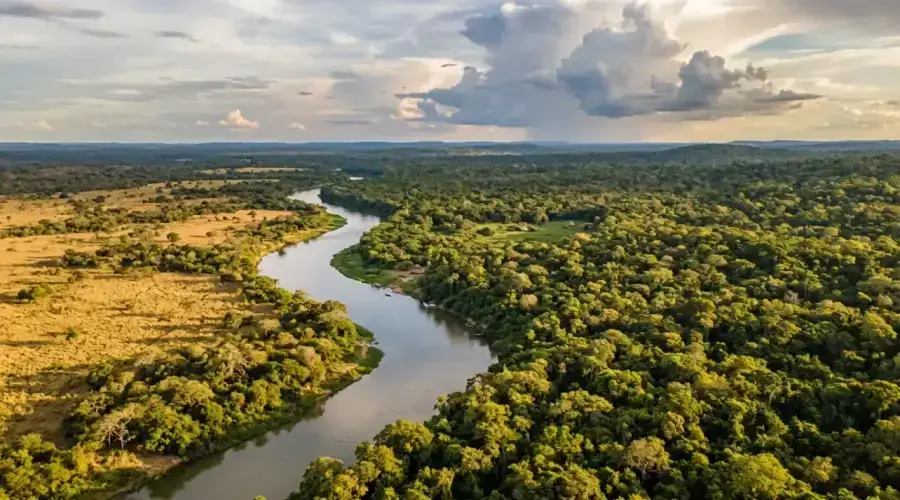

Paraguay's subtropical climate and the differences between regions (dry and very hot Chaco, wetter East) demand luggage thought through according to the season and itinerary, not a generic travel list for South America. Here is the essential packing list, organised by use rather than alphabetically.
At a Glance
What to bring depending on your profile
- •Light traveller (1-2 weeks, East): 40-50 L backpack, light clothing, windbreaker, repellent, adapter, small denomination guaranies
- •Chaco explorer (nature itinerary): add closed-toe shoes, headlamp, filter water bottle, covering clothing, fleece for nights
- •Expatriate or long stay (several months): plan medical treatments for the full duration, complete official documents and digitised copies
| Climate and associated clothing by season | ||
|---|---|---|
| Summer (Dec-Feb) | 30-45 C | T-shirts, shorts, linen, wide-brimmed hat, swimsuit |
| Autumn (Mar-May) | 22-28 C | Light clothing, windbreaker, light fleece for evenings |
| Winter (Jun-Aug) | 5-22 C | Fleece, long trousers, light jacket, warm clothes for the Chaco |
| Spring (Sep-Nov) | 22-30 C | Light clothing, windbreaker, repellent, light transitional fleece |
Clothing and Footwear
The classic trap is forgetting that Paraguay has much more marked temperature differences than you imagine looking at a map. In summer in the East, shorts and a cotton t-shirt suffice, but once night falls or if you go to the Chaco, the same clothing becomes inadequate. I always make two piles on the bed before closing my suitcase: the day pile and the night pile, because both can be very different within the same day.
A trick I learned after my first trip: bring clothes that layer easily. A cotton t-shirt, a light long-sleeved shirt on top, and a fleece folded in the backpack. This combination covers all temperature scenarios in Paraguay, especially if you spend nights in the Chaco after a day at 35 C. For footwear, I recommend a pair of comfortable trainers for the city and easy trails, and a pair of sturdier closed-toe shoes for the Chaco. Trekking sandals are a good compromise for travelling light.
- 1Light cotton or linen clothing for summer (Dec-Feb): the climate is hot and humid in the East
- 2Thin fleece for winter nights (Jun-Aug): the temperature can drop to 5-10 C, even less in the Chaco
- 3Light long trousers: useful in the evening against mosquitoes and in religious places
- 4Packable windbreaker: the rainy season (Oct-Apr) can surprise even outside that period
- 5Covering clothing for late afternoon in mosquito-prone areas
- 6Swimsuit for rivers, waterfalls (Salto Cristal) and pools
| Recommended clothing by activity | |
|---|---|
| Visiting Asuncion (museums, cafes) | Light, neat clothing, comfortable shoes. Avoid very short shorts in administrative buildings |
| Excursion to Iguazu Falls | Swimsuit, quick-dry footwear, windbreaker, waterproof bag for camera |
| Chaco hike (several days) | High trekking shoes, long trousers, long-sleeved shirts, hat, water reserve |
| Night out in the city | Light clothing: linen trousers and shirt for men, light dress for women |
| Jesuit missions (Trinidad, Jesus) | Closed-toe shoes, sun protection, water, covering clothing |
A practical detail: leather or suede footwear suffers a lot from Paraguayan rain. In the wet season, downpours are violent and streets can flood within minutes. If you travel between October and April, prioritise synthetic material footwear that dries quickly. Waterproof trekking shoes are a good investment for the Chaco, where trails remain muddy for several days after rain.
Medicine Kit, Health and Electronics
I never travel without concentrated mosquito repellent. It is not a luxury, it is a necessity: dengue circulates in Paraguay, particularly in the wet season (December to March). Health authorities recommend repellents with DEET at 30-50% or icaridin. Factor 50 sunscreen is equally essential: the subtropical sun burns quickly, even when the sky is overcast. Check the hygiene and health at the destination page for complete health recommendations.
- 1Concentrated mosquito repellent (DEET 30-50% or icaridin)
- 2High protection sunscreen (factor 50) and wide-brimmed hat
- 3Personal medications in sufficient quantity for the whole stay, plus a safety margin
- 4Band-aids, antiseptic, anti-diarrhoeal and antihistamine
- 5Hand sanitiser and water purification tablets for long excursions
Paraguayan pharmacies are well stocked in Asuncion and large cities, but as soon as you move away from urban centres, the offer shrinks. In the Chaco, some towns have no permanent pharmacy. Plan your medications in sufficient quantity for the whole stay. Local generics are up to 70% cheaper than in Europe, but names may differ, check with a local pharmacist.
| Electricity and adapters | |
|---|---|
| Plug type | A and C, a universal adapter covers both |
| Voltage | 220V, 50Hz, check that your devices are compatible |
| Power cuts | Occasional in rural areas, a power bank is useful |
Most modern chargers are compatible with 100-240V. The real trap concerns devices that only support one voltage: check the label before plugging them in. I always carry a power strip with surge protection, which allows connecting a single adapter to the wall and charging several devices at once.
Documents and What Often Gets Forgotten
Passport valid 6 months after the return date, paper and digital copy of all documents (passport, insurance contract, tickets, bookings), international vaccination card if you had the yellow fever vaccine. See the details of required documents. I advise digitising everything and saving it to the cloud. In case of loss of both pieces of luggage, internet access is enough to rebuild copies with the help of a local shop.
Among the items most often forgotten: small denomination guaranies for the start (see currency exchange), a padlock for luggage and the bus locker, earplugs and a sleep mask for night buses, and a waterproof bag or rain cover for your backpack in the wet season. These small items seem superfluous at home but become essential once at your destination: the padlock deters opportunistic theft on long-distance buses, and earplugs are almost indispensable on Paraguayan roads where honking is still a common means of communication.
- 1Small denomination guaranies for the start, before finding an exchange office
- 2Padlock for luggage and the long-distance bus locker
- 3Earplugs and sleep mask for night bus journeys
- 4Waterproof bag or rain cover for your backpack in the wet season
- 5Two passport photos: useful in case of unexpected administrative procedures
Last updated:
Sources
- WHO: Paraguay Country Health Profile (2024)
- France Diplomatie: Travel Advice Paraguay (2025)
- CDC: Travel Health Notices Paraguay (2025)
- Institut Pasteur: International Vaccination Centre (2025)
- DINAC: Directorate of Meteorology and Hydrology of Paraguay (2025)
- IATA Travel Centre: Paraguay (2025)
- SENATUR: Tourist Information Paraguay (2025)
My method
This page is written from France, sourced as carefully as possible, but I can be wrong or miss on-the-ground detail. A price that changed, outdated info, a photo to share? Every correction is credited if you want.
Report an error or send info →Share